
This episode of the feeding of the five thousand, familiar though it is, nevertheless has its share of complexities. There are multiple levels to what is going on here, as we see clearly the humanity of our Lord together with the working of his divine power and the operation of providence.
(more…)-

-
There’s a scene in St. Augustine’s Confessions where he relates the story of two men, two Roman officials, who were going for a walk in the city of Trier. As they walked, they came upon a house where some Christians lived, and in the house they found a book that told the story of St. Anthony of Egypt, who at that time was only recently deceased. Now St. Anthony, if you don’t know, was a great Egyptian saint who lived during the 3rd and 4th centuries. As a young man he had come into a sizeable inheritance, but he had renounced everything in order to devote himself single-mindedly to God. After hearing the Gospel in church one day, he literally sold everything he had and went out into the desert, where he would spend the rest of life, (which was a very long life, he died at 105) living in the wilderness, dedicating himself to prayer and ascetical practices. Anthony was so holy that, in spite of his isolation, his reputation spread very far, and many people would flock to him in his desert hermitage, and, observing how he lived, these pilgrims made Anthony their inspiration in establishing the very first Christian monasteries, first in Egypt, and then across the Roman world.
(more…) -
¿Por qué prosperan los malvados? Esta es una pregunta perenne con la que lucha el salmista. Tuve envidia de los insensatos viendo la paz de los impíos, dice, Pues no hay para ellos tormentos; están sanos y rollizos. O, como dice en otro salmo: el impío dice en su corazón: “No se acuerda Dios; ha escondido su rostro, no ve nada”.
(more…) -
To anyone who has, more will be given, and from anyone who has not, even what he has will be taken away. These are words that can seem difficult, and yet they express something that, on a little reflection, must be true. Because all of us, regardless of whether or not we are aware of it, have received from God everything that we have, hence St. Paul asks the Corinthians what do you have that you did not receive? Our families, our friends, our health, our natural talents and abilities, even our very lives… none of these come from ourselves… all of them are pure gift; even if we worked for them or developed them through personal striving, the very ability to do that was a gift from God. There is nothing that we possess that is not a gift.
(more…) -
Without Christ, life can often be quite heavy. The ways of the world can weigh one down, can wear one down. Because we all know from experience how the world works, we all have heard what the world has to say: make as much money as you can, accumulate as many nice things as you can, seek out all the pleasures that you can. Money, fame, pleasure, honor: these are the things that the world presents to us as being the greatest goods, as being the things that we ought to pursue, as being the things that will make us happy. And left on our own, the natural thing is that we listen to this egoistic message that the culture tells us, and we chase after these things, often without really reflecting on what it is we are doing. And the result is that this message weighs us down, that our pursuit of goods that are so fleeting crushes us, as we collapse in the face of disappointment, misfortune, suffering, and illness, as we exhaust ourselves in restlessly chasing after things that ultimately aren’t able to bring us satisfaction and lasting meaning. Death is the ultimate end of this worldly way of living, and, as St. Paul says in our second reading, If you live according to the flesh, you will die. Such is the weight of destruction that we bear so long as we live according to the ways of the world.
(more…) -
This saying of our Lord, that whoever loves father or mother or son or daughter more than Him is not worthy of Him, is typically counted among the hard sayings of Jesus, and we can well understand why. There seems to be in these words a repudiation of the natural order of things, for what love is more natural or more enduring, all else being equal, than that between a parent and a child? Such love is hardwired into us. Hardly needing to be taught, it flows from who we are in our relationship with one another.
(more…) -
When Moses read out the law to the Israelites on the far side of the Jordan, he concluded by listing the blessings that would come upon Israel if they were obedient to the covenant, as well as the punishments with which God would inflict them if they were not. And when you consider those blessings, which you can find in chapter 28 of Deuteronomy, they intuitively make sense to us, even at a distance of three-thousand years. Blessed will you be in the city and blessed in the field, says the Lord, Blessed shall be the fruit of your womb and the fruit of your ground, the fruit of your cattle, the increase of your herds and the young of your flock. Israel’s enemies will flee before them, promises the Lord, and he will pour out his blessing upon their barns and upon all that they undertake.
(more…) -
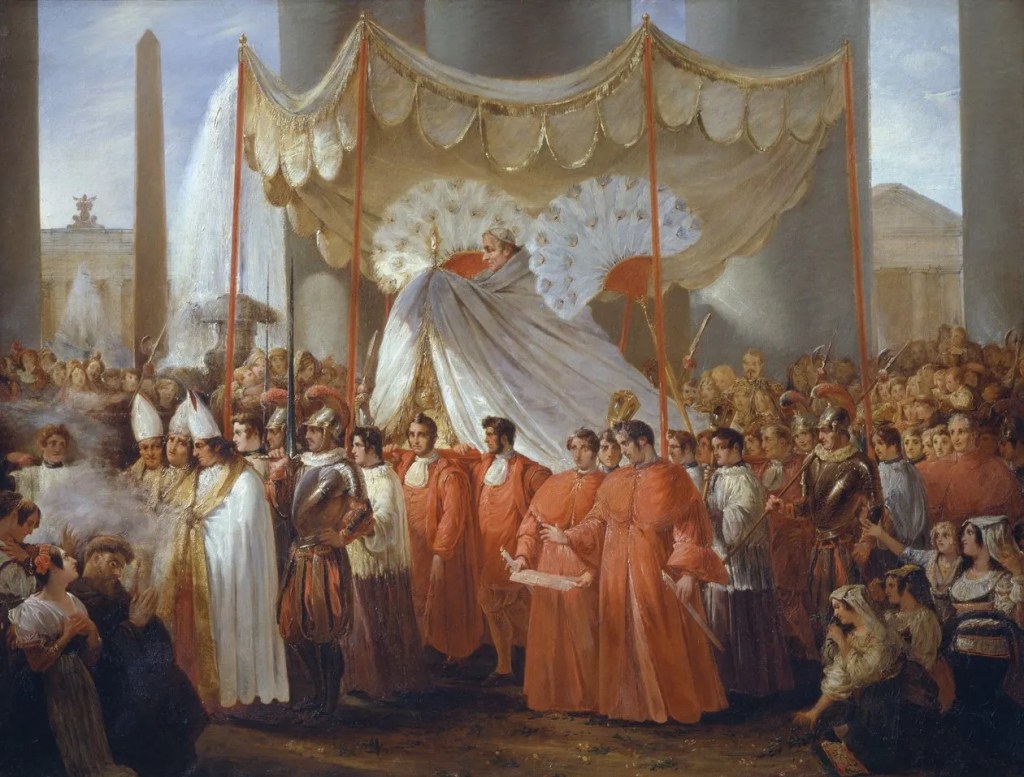
As we read this famous passage from John’s gospel, we can see that the crowd wrestling with how to respond to these striking words of Jesus. For context, we must remember that the people have sought out Jesus with great eagerness. They were there, if we recall the first part of this chapter, when Jesus had multiplied the loaves and the bread, and they had followed after him when he had gone back across the sea. But, tragically, the more they hear from Jesus, the plainer he is about who is and what is his mission, the more the crowd hesitates, and begins to push back; you can almost feel them becoming more anxious.
(more…) -
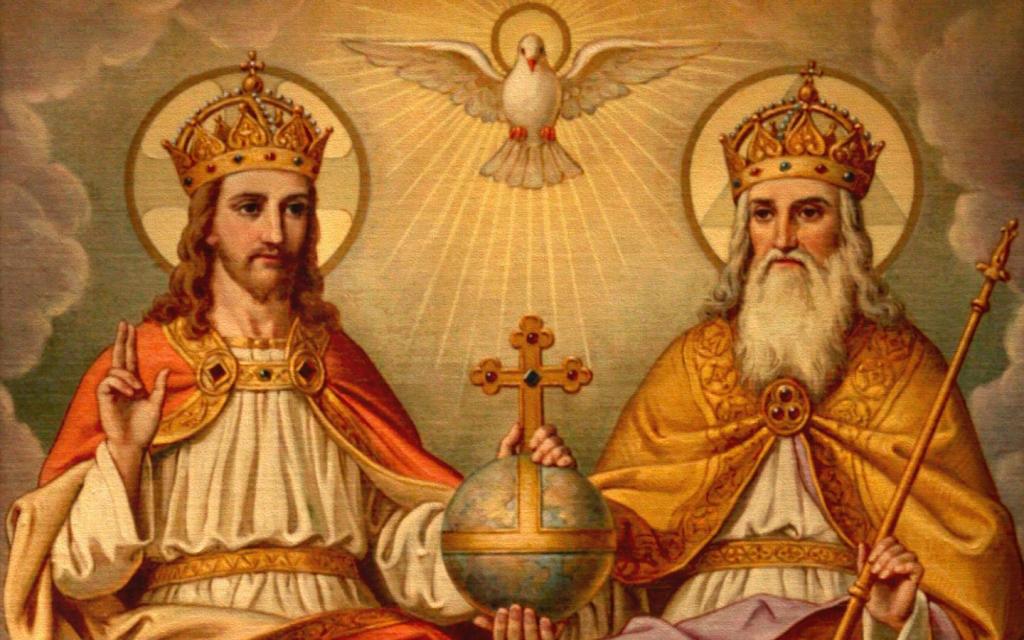
In our first reading, Moses goes up a mountain to meet God. And when he gets there, God reveals himself, showing to Moses his ineffable glory, revealing his name and declaring himself to be merciful and gracious, rich in kindness and fidelity. This encounter of Moses, the man, the creature, with God, the infinite, the absolute, the inexpressible, is glorious, wild, and awesome. Moses has gone up the mountain, and, in an event almost too wonderful to be believed, has seen the glory of God.
(more…) -
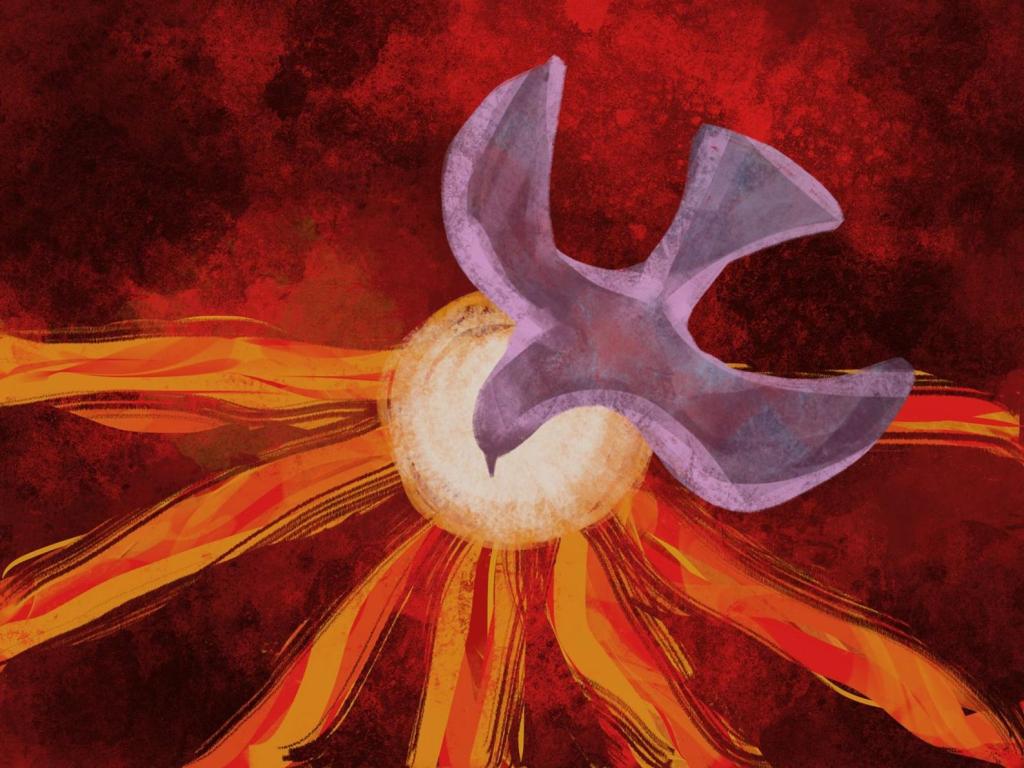
On this great feast of Pentecost, which we anticipate joyfully every year as the crown and completion of the Easter season, we remember and celebrate what is, without any doubt, among the greatest of gifts ever given to the Church, namely the gift of the Holy Spirit, who was, after Christ’s ascension, as Christ himself had promised, poured out upon the disciples while they were at prayer, and who has, ever since that moment, remained always with the Church.
(more…)

