
What did you go out to the desert to see? In asking this question of the crowds, with reference to John, Jesus is effectively asking them where their minds and hearts are. Because this is something we must keep in mind: that when it comes to our perceiving something, our hearing or seeing something, whether that be an object or an idea or a message or anything, we have to consider not only the thing that we perceive, but also our ability to perceive it, which can be affected by so many different things.
(more…)-

-
¿Qué fueron ustedes a ver en el desierto? Al hacer esta pregunta a la multitud, refiriéndose a Juan, Jesús les está preguntando en realidad dónde están sus mentes y sus corazones. Porque hay algo que debemos tener presente: cuando se trata de percibir algo, de oír o ver algo, ya sea un objeto, una idea, un mensaje o cualquier otra cosa, debemos tener en cuenta no solo lo que percibimos, sino también nuestra capacidad para percibirlo, que puede verse afectada por muchos factores diferentes.
(more…) -

Cuando miramos a Maria, vemos alguien que ha recibido todo lo que ella es. Cuando el ángel la saludó, diciendo, “Ave, llena de gracia,” habló muy adecuadamente, porque con Maria todo es gracia, todo es regalo. Esto debería enseñarnos algo. Excepto a su hijo, Maria es la ser humana más grande de todos los tiempos, y no porque hizo cosas grandes, sino porque consintió para recibir lo que Dios quería darla. Todo esto es decir lo que Maria misma ha dicho más claro: “Proclama mi alma la grandeza del Señor.” Esta es la grandeza de Maria, su grandeza es la grandeza del Señor.
(more…) -
In days to come, the mountain of the LORD’s house shall be established as the highest mountain and raised above the hills, and all nations shall stream toward it. So speaks the prophet Isaiah in our first reading, and if we would understand this prophecy rightly, we must first understand what it is to which the prophet is referring. The mountain of the Lord’s house, of course, is Mount Zion in Jerusalem, the mountain, or to be more honest, the hill, upon which the Temple was constructed, where the presence of God mysteriously dwelt. This mountain, or, again, this hill, is rather modest. You can see far taller mountains in the distance when you’re driving down Cedar Bluff. But the prophet’s point is not that this mountain will be raised physically higher than these mountains – a new Everest is not going to erupt from Jerusalem – but instead, Mount Zion, the mountain of the Lord’s presence, will, because of the Lord’s presence there, be exalted far above all other mountains, and it will be recognized as such by all the nations, who will subsequently stream towards it saying, “Come, let us climb the LORD’s mountain, to the house of the God of Jacob, that he may instruct us in his ways, and we may walk in his paths.”
(more…) -
En días futuros, el monte de la casa del Señor será elevado en la cima de los montes,
(more…)
encumbrado sobre las montañas, y hacia él confluirán todas las naciones. Así habla el profeta Isaías en nuestra primera lectura, y si queremos entender correctamente esta profecía, primero debemos comprender a qué se refiere el profeta. El monte de la casa del Señor es, por supuesto, el monte Sión en Jerusalén, la montaña, o para ser más exactos, la colina sobre la que se construyó el Templo, donde misteriosamente moraba la presencia de Dios. Esta montaña, o mejor dicho, esta colina, es bastante modesta. Se pueden ver montañas mucho más altas en la distancia cuando se conduce por Cedar Bluff. Pero lo que el profeta quiere decir no es que esta montaña se elevará físicamente por encima de esas montañas —no va a surgir un nuevo Everest de Jerusalén—, sino que el monte Sión, la montaña de la presencia del Señor, será exaltado muy por encima de todas las demás montañas debido a la presencia del Señor en él, y será reconocido como tal por todas las naciones, que posteriormente acudirán en masa hacia él diciendo: «Vengan, subamos al monte del Señor, a la casa del Dios de Jacob, para que él nos instruya en sus caminos y podamos marchar por sus sendas». -

In First Samuel chapter eight, the Israelites come to Samuel in his old age and demand that he appoint a king to rule over them, just as the nations around them are ruled by a king. This is not, to Samuel’s eyes, a good thing, and indeed God himself is displeased by this request. You are not the one they are rejecting, he assures Samuel, but rather they are rejecting me as their king, says the Lord. Nevertheless, after having warned the people of all the evils that will follow when a king is placed over them, Samuel, following God’s instruction, listens to the people’s plea, and anoints Saul of the tribe of Benjamin to rule over God’s chosen people.
(more…) -
En el capítulo ocho del primer libro de Samuel, los israelitas acuden a Samuel en su vejez y le exigen que nombre a un rey para que los gobierne, al igual que las naciones vecinas están gobernadas por un rey. A los ojos de Samuel, esto no es algo bueno, y de hecho Dios también está descontento con esta petición. No es a ti a quien rechazan, le asegura Samuel, sino que me rechazan a mí como su rey, dice el Señor. Sin embargo, después de haber advertido al pueblo de todos los males que sobrevendrán cuando se les imponga un rey, Samuel, siguiendo las instrucciones de Dios, escucha la petición del pueblo y unge a Saúl, de la tribu de Benjamín, para que gobierne al pueblo elegido de Dios.
(more…) -
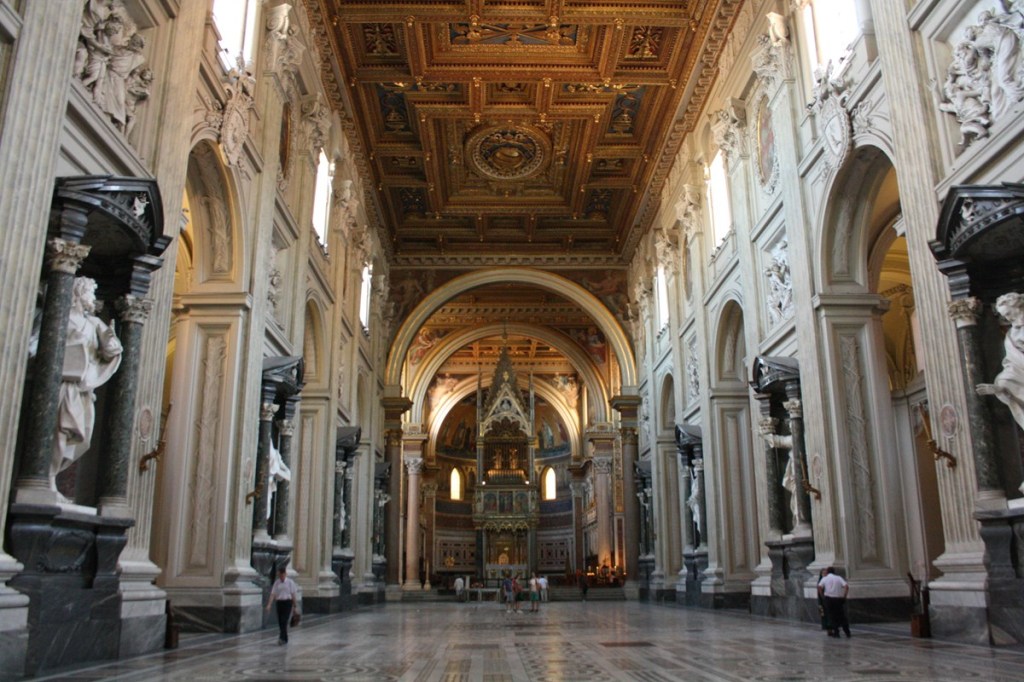
As you can tell from our white vestments, we are not today marking the 32nd Sunday in Ordinary Time, as you might have expected, but instead we have the privilege this morning of celebrating the feast of the Dedication of the Lateran Basilica in Rome.
(more…) -
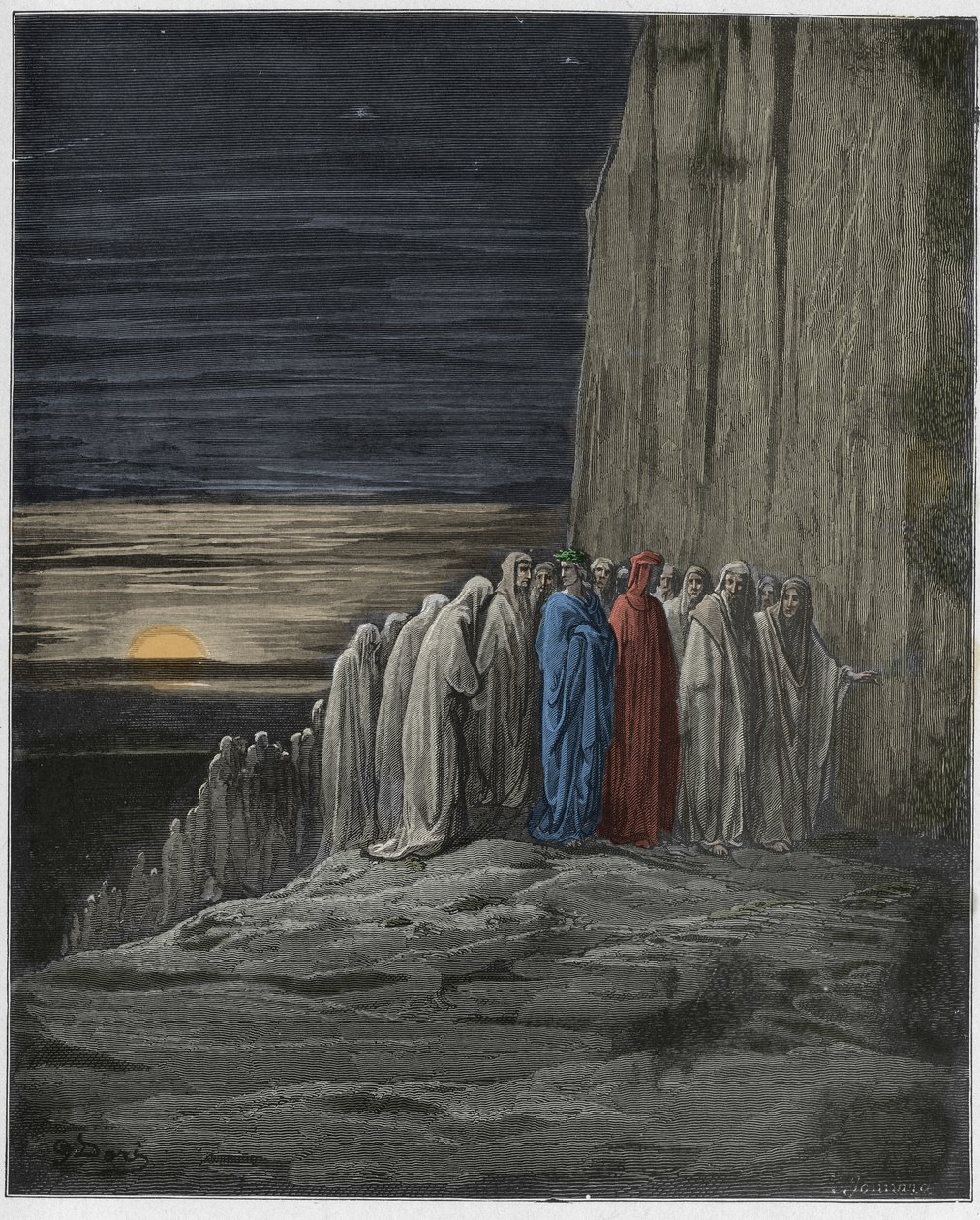
As a priest, I spend a fair amount of time around people who are dying. Whether in a hospital or at home, it’s a common part of my duties to bring people the sacraments in such situations, to hear their confessions, to anoint them, and, if they are able, to give them viaticum, the Blessed Sacrament one last time. And often these encounters can be truly beautiful, as it’s a great privilege to be able to accompany a Christian soul as it prepares to leave this life and go to meet our Lord.
(more…) -
Como sacerdote, paso bastante tiempo con personas que están muriendo. Ya sea en un hospital o en casa, una parte habitual de mis funciones consiste en llevar los sacramentos a las personas en esas situaciones, escuchar sus confesiones, ungirlas y, si pueden, darles viaticum, el Santísimo Sacramento, por última vez. A menudo, estos encuentros pueden ser realmente hermosos, ya que es un gran privilegio poder acompañar a un alma cristiana mientras se prepara para dejar esta vida e ir al encuentro de nuestro Señor.
(more…)
 PaddlingPadre